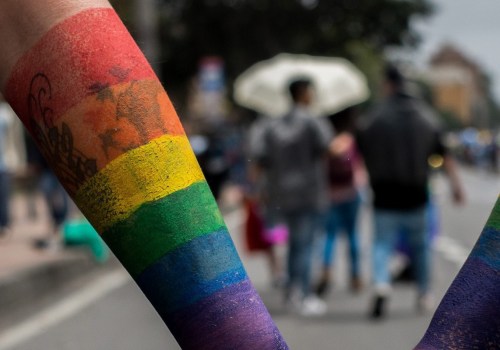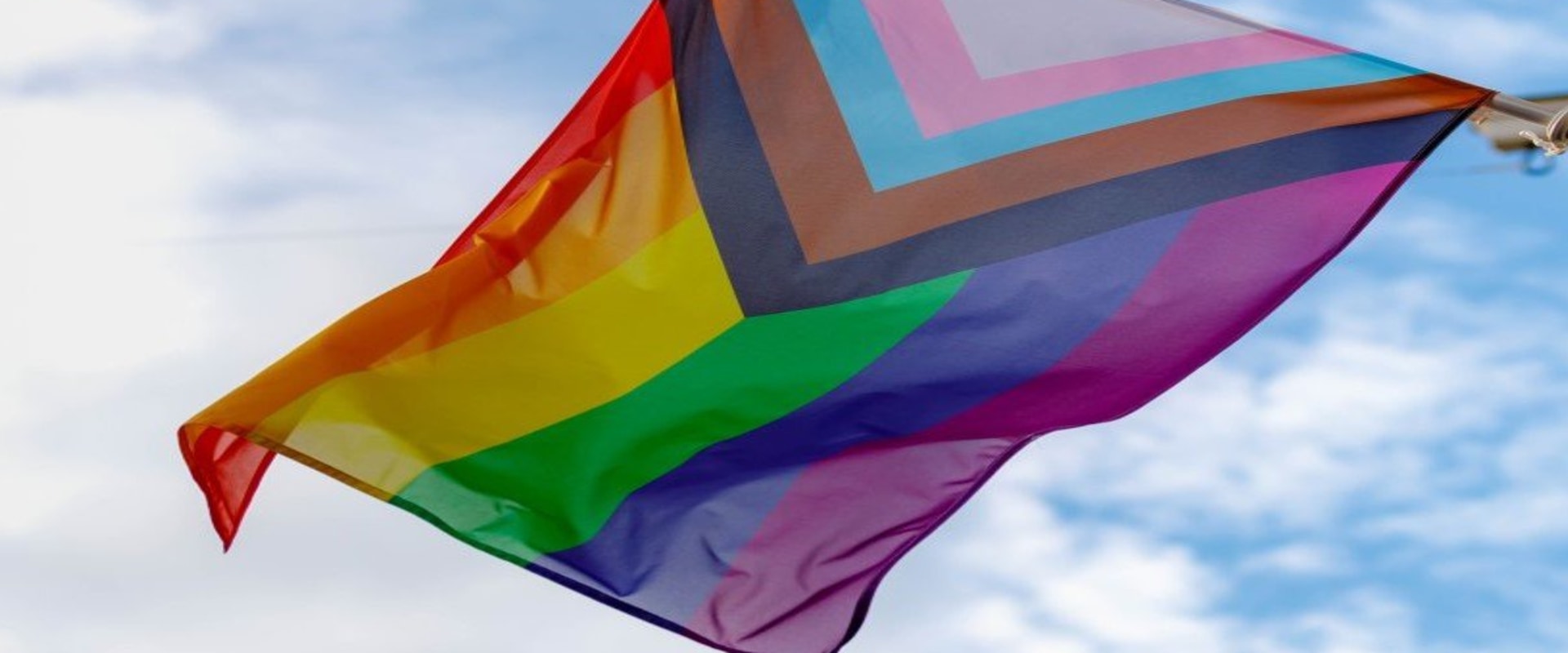
The acronym LGBTQ encompasses a diverse spectrum of identities and orientations, representing the voices of individuals who identify as Lesbian , Gay , Bisexual , Transgender , and Queer. This community is not merely a collection of labels; it embodies a rich tapestry of experiences, struggles, and triumphs that have shaped the fight for equality and acceptance in contemporary society. Understanding the significance of LGBTQ is crucial in fostering an environment where everyone can express their true selves without fear of discrimination or prejudice. In recent years, the visibility of the LGBTQ community has surged, leading to increased awareness and dialogue surrounding issues of inclusion and acceptance. This shift is not just about recognizing different sexual orientations and gender identities; it is about acknowledging the historical context of marginalization that many LGBTQ individuals have faced. . This community is not merely a collection of labels; it embodies a rich tapestry of experiences, struggles, and triumphs that have shaped the fight for equality and acceptance in contemporary society. Understanding the significance of LGBTQ is crucial in fostering an environment where everyone can express their true selves without fear of discrimination or prejudice. In recent years, the visibility of the LGBTQ community has surged, leading to increased awareness and dialogue surrounding issues of inclusion and acceptance. This shift is not just about recognizing different sexual orientations and gender identities; it is about acknowledging the historical context of marginalization that many LGBTQ individuals have faced.
From legal battles for marriage equality to ongoing struggles for basic human rights, the journey toward acceptance has been fraught with challenges. Yet, it is also marked by resilience and solidarity among community members and allies alike. As we delve deeper into the complexities of the LGBTQ experience, it becomes evident that understanding this community requires more than just familiarity with its terminology. It calls for empathy, education, and a commitment to dismantling the barriers that perpetuate discrimination. By embracing the principles of inclusion and acceptance, we can create a society where every individual—regardless of their sexual orientation or gender identity—can thrive authentically.
This guide aims to illuminate the path toward greater understanding and support for the LGBTQ community, encouraging readers to engage with these vital issues in meaningful ways.
Breaking Down the Acronym: What Each Letter Represents
The acronym LGBTQ encompasses a diverse range of identities and experiences, each represented by a letter that signifies a unique aspect of the community. Understanding these terms is essential for fostering respect and acceptance among individuals of all sexual orientations and gender identities.L
stands for Lesbian. This term refers to women who are romantically and sexually attracted to other women. The experience of being a lesbian can vary widely, influenced by cultural, social, and personal factors.
Many lesbians find strength and solidarity within their communities, often participating in events like Pride parades to celebrate their identity.
G
represents Gay, which is primarily used to describe men who are attracted to other men. However, the term can also be used more broadly to refer to anyone who identifies as homosexual. The gay community has a rich history of activism and cultural expression, contributing significantly to the fight for LGBTQ rights.
B
stands for Bisexual, indicating individuals who are attracted to both men and women. Bisexuality is often misunderstood, with some people erroneously believing that bisexual individuals are indecisive or confused about their sexual orientation.
In reality, bisexuality is a valid identity that encompasses a spectrum of attractions.
T
signifies Transgender, an umbrella term for people whose gender identity differs from the sex they were assigned at birth. This includes trans men (who were assigned female at birth but identify as male), trans women (assigned male at birth but identify as female), and non-binary individuals who do not exclusively identify as male or female. The transgender community faces unique challenges, including discrimination and lack of access to appropriate healthcare.
Q
stands for Queer, a term that has been reclaimed by many in the LGBTQ community as an inclusive label for those who do not conform to traditional sexual orientations or gender identities. Queer can encompass a wide range of identities, including those who identify as questioning or who prefer not to label themselves at all.
It emphasizes fluidity and challenges the binary understanding of gender and sexuality. Each letter in the LGBTQ acronym represents not just an identity but also a rich tapestry of experiences, struggles, and triumphs. By understanding these terms, we can better appreciate the diversity within the community and work towards creating an inclusive environment where everyone feels valued and accepted.
The Historical Context of LGBTQ Rights
The journey toward LGBTQ rights has been marked by significant struggles, milestones, and a relentless pursuit of equality. Understanding this history is crucial for grasping the current landscape of LGBTQ rights and the ongoing challenges faced by the community. Historically, LGBTQ individuals have faced severe discrimination and persecution. In many societies, same-sex relationships were criminalized, and those who identified as LGBTQ were often subjected to violence, ostracism, and systemic oppression.The early 20th century saw the rise of various movements advocating for sexual freedom, but it wasn't until the mid-20th century that organized efforts began to gain traction. One pivotal moment in LGBTQ history occurred in 1969 with the Stonewall Riots in New York City. This event is often regarded as the catalyst for the modern LGBTQ rights movement. Following a police raid on the Stonewall Inn, a popular gay bar, patrons fought back against harassment. The riots sparked a wave of activism that led to the formation of numerous advocacy groups and the first Pride marches in 1970. Throughout the 1970s and 1980s, significant milestones were achieved.
The American Psychiatric Association removed homosexuality from its list of mental disorders in 1973, marking a crucial step toward societal acceptance. However, this period was also marred by the AIDS crisis, which disproportionately affected the gay community and highlighted the urgent need for healthcare access and support. In the following decades, legal battles began to reshape the landscape of LGBTQ rights. Landmark cases such as Bowers v. Hardwick (1986) and Lawrence v.
Texas (2003) challenged anti-sodomy laws and affirmed the rights of LGBTQ individuals to engage in consensual relationships without fear of criminalization. The fight for marriage equality culminated in Obergefell v. Hodges (2015), where the U. S.
Supreme Court ruled that same-sex marriage is a constitutional right. Despite these advancements, discrimination persists in various forms. Many LGBTQ individuals still face challenges related to employment, housing, and healthcare access. The ongoing struggle for comprehensive anti-discrimination laws reflects the need for continued advocacy and education. As we reflect on this historical context, it becomes evident that while progress has been made, there is still much work to be done to ensure full acceptance and equality for all members of the LGBTQ community.
Current Challenges Facing the LGBTQ Community
The LGBTQ community continues to face a myriad of challenges that hinder their pursuit of equality and acceptance. Despite significant progress in recent years, discrimination remains pervasive across various sectors, including employment, healthcare, and legal rights.Discrimination in Employment
One of the most pressing issues is workplace discrimination.
Many LGBTQ individuals encounter bias during hiring processes or face harassment in the workplace. According to studies, a significant percentage of LGBTQ employees report experiencing discrimination based on their sexual orientation or gender identity. This can lead to job insecurity, mental health issues, and a lack of career advancement opportunities.
Healthcare Disparities
Access to healthcare is another critical area where LGBTQ individuals often face challenges. Many healthcare providers lack the training necessary to address the specific needs of LGBTQ patients, leading to inadequate care.
Additionally, some individuals may avoid seeking medical help due to fear of discrimination or stigma. This can result in poorer health outcomes and increased vulnerability to mental health issues.
Violence Against LGBTQ Individuals
Violence against the LGBTQ community is a grave concern that cannot be overlooked. Hate crimes targeting LGBTQ individuals have been on the rise in various regions, fueled by societal prejudice and intolerance. These acts of violence not only inflict physical harm but also instill fear within the community, discouraging individuals from expressing their identities openly.
Legal Hurdles
Legal protections for LGBTQ individuals vary significantly across different jurisdictions.
In some areas, laws exist to protect against discrimination; however, in many places, there are still significant gaps in legal protections. For instance, same-sex couples may face challenges in adoption processes or accessing spousal benefits. The inconsistency in legal rights can create an environment where LGBTQ individuals feel vulnerable and unsupported. Addressing these challenges requires a concerted effort from society as a whole. Advocacy for comprehensive anti-discrimination laws, increased awareness and training for healthcare providers, and community support initiatives are essential steps toward fostering an inclusive environment for all individuals, regardless of their sexual orientation or gender identity.
The Importance of Inclusion and Acceptance
Inclusion and acceptance of the LGBTQ community are not merely social niceties; they are essential components for fostering a progressive society.When individuals feel accepted and included, it leads to a multitude of psychological and social benefits that enhance the overall well-being of communities. One of the most significant advantages of promoting LGBTQ inclusion is the positive impact on mental health. Studies have shown that individuals who identify as LGBTQ often face higher rates of anxiety, depression, and suicidal ideation, primarily due to societal stigma and discrimination. By creating an inclusive environment, we can mitigate these mental health challenges. Acceptance fosters a sense of belonging, which is crucial for emotional stability and resilience. Moreover, inclusive environments encourage open dialogue and understanding among diverse groups.
When people from different backgrounds come together, they share their experiences and perspectives, leading to greater empathy and reduced prejudice. This cultural exchange not only enriches communities but also promotes social cohesion. In workplaces that prioritize LGBTQ inclusion, employees report higher job satisfaction and productivity levels. Companies that embrace diversity are often more innovative, as they benefit from a wider range of ideas and solutions. Furthermore, inclusive workplaces attract top talent, as many individuals seek employers who value diversity and equality. On a broader scale, societal acceptance of the LGBTQ community contributes to economic growth.
When individuals feel safe to express their identities without fear of discrimination, they are more likely to participate fully in society—whether through consumer spending or civic engagement. This participation can lead to increased economic activity and a more vibrant community. In conclusion, the importance of inclusion and acceptance for the LGBTQ community cannot be overstated. By fostering an environment where everyone feels valued and respected, we not only improve individual lives but also enhance the fabric of society as a whole. Embracing diversity is not just a moral imperative; it is a pathway to a healthier, more prosperous future for all.
How to Support the LGBTQ Community
Supporting the LGBTQ community is essential for fostering an inclusive society where everyone can thrive.Here are some practical ways to show your support:
- Educate Yourself: Understanding the history, struggles, and achievements of the LGBTQ community is crucial. Read books, watch documentaries, and follow reputable LGBTQ organizations online to gain insights into their experiences.
- Be an Ally: Being an ally means standing up for LGBTQ rights and advocating for equality. Use your voice to challenge discriminatory remarks or actions in your social circles. Show solidarity by participating in pride events and supporting LGBTQ initiatives.
-
Support LGBTQ Businesses: Choose to shop at businesses owned by LGBTQ individuals or those that actively support the community.
This not only helps economically but also sends a message of acceptance and support.
- Volunteer Your Time: Many organizations dedicated to supporting the LGBTQ community rely on volunteers. Offer your time to local shelters, advocacy groups, or educational programs that focus on LGBTQ issues.
- Donate: Financial contributions can make a significant impact. Consider donating to LGBTQ charities that provide essential services such as healthcare, legal assistance, and mental health support.
-
Use Inclusive Language: Be mindful of the language you use. Avoid assumptions about gender or sexual orientation and use terms that respect individuals’ identities.
For example, using "they/them" pronouns when unsure of someone's gender can be a simple yet powerful way to show respect.
- Advocate for Policy Changes: Engage in advocacy efforts that promote policies protecting LGBTQ rights. This can include signing petitions, contacting your representatives, or participating in campaigns aimed at enacting change at local, state, or national levels.
Resources for the LGBTQ Community
Access to resources is vital for the empowerment and well-being of the LGBTQ community.These resources not only provide support but also foster a sense of belonging and understanding. Below is a comprehensive list of various resources available to individuals within the LGBTQ community.
Support Groups
Support groups play a crucial role in offering a safe space for LGBTQ individuals to share their experiences, seek advice, and build connections. Here are some notable organizations:- The Trevor Project: This organization provides crisis intervention and suicide prevention services to LGBTQ youth. They offer a 24/7 hotline, online chat, and text support.
- PFLAG: As one of the oldest and largest organizations for LGBTQ people, PFLAG offers support through local chapters, providing resources for families and allies as well.
- GLAAD: While primarily focused on media representation, GLAAD also offers resources for LGBTQ individuals seeking community support and advocacy.
Mental Health Services
Mental health is a critical aspect of overall well-being, especially for those facing discrimination or identity-related challenges.Here are some mental health resources tailored for the LGBTQ community:
- Therapy Aid Coalition: This organization connects LGBTQ individuals with mental health professionals who offer sliding scale fees based on income.
- National Queer and Trans Therapists of Color Network: This network focuses on providing mental health services from culturally competent therapists who understand the unique challenges faced by queer and trans people of color.
- Trans Lifeline: A peer support service run by trans people for trans people, offering emotional support and resources specifically for the transgender community.
Legal Assistance
Navigating legal issues can be daunting, especially for LGBTQ individuals facing discrimination. Here are some organizations that provide legal assistance:- LGBTQ+ Bar Association: This association offers a directory of LGBTQ-friendly attorneys who specialize in various legal issues affecting the community.
- Lambda Legal: Lambda Legal is dedicated to achieving full recognition of the civil rights of LGBTQ individuals through litigation, education, and public policy advocacy.
Educational Materials
Education is key to fostering understanding and acceptance. Numerous organizations provide educational materials that can help both LGBTQ individuals and their allies:- Human Rights Campaign (HRC): HRC offers a wealth of information on LGBTQ rights, advocacy efforts, and educational resources aimed at promoting equality.
- The Williams Institute: This think tank at UCLA School of Law conducts research on sexual orientation and gender identity law and public policy, providing valuable data and insights.
Frequently Asked Questions about LGBTQ Issues
Understanding the LGBTQ community can be challenging, especially with the prevalence of misconceptions and stereotypes.Below are some frequently asked questions that aim to clarify common queries and promote a better understanding of LGBTQ issues.
-
What does LGBTQ stand for?
The acronym LGBTQ encompasses Lesbian, Gay, Bisexual, Transgender, and Queer. Each term represents a distinct sexual orientation or gender identity, contributing to the rich diversity within the community. -
Is being LGBTQ a choice?
No, being LGBTQ is not a choice. Sexual orientation and gender identity are inherent aspects of who a person is. Research indicates that these identities are shaped by a complex interplay of biological, environmental, and social factors. -
What is the difference between sexual orientation and gender identity?
Sexual orientation refers to whom someone is attracted to (e.g., heterosexual, homosexual, bisexual), while gender identity relates to an individual’s internal sense of their own gender (e.g., male, female, non-binary).Understanding this distinction is crucial for fostering respect and acceptance.
-
Why is representation important in media for LGBTQ individuals?
Representation in media plays a vital role in shaping societal perceptions. Positive portrayals of LGBTQ individuals can help combat stereotypes, promote acceptance, and provide role models for those within the community. It fosters a sense of belonging and visibility that is essential for mental health and well-being. -
What challenges do LGBTQ individuals face today?
Despite progress in many areas, LGBTQ individuals still encounter significant challenges, including discrimination in employment, healthcare disparities, and social stigma. Additionally, many face violence or harassment based on their sexual orientation or gender identity.Understanding these issues is key to advocating for change.
-
How can allies support the LGBTQ community?
Allies can support the LGBTQ community by educating themselves about LGBTQ issues, standing against discrimination, using inclusive language, and advocating for policies that promote equality. Simple acts of support can make a significant difference in creating an inclusive environment.
Conclusion: Moving Towards a More Inclusive Future
As we reflect on the journey of the LGBTQ community, it becomes clear that understanding and supporting this diverse group is not just a matter of social justice, but a fundamental aspect of fostering a more inclusive society. The progress made in recent years, from legal recognition of same-sex marriage to anti-discrimination laws, highlights the importance of advocacy and education in dismantling prejudice and promoting acceptance. Throughout this guide, we have explored the various identities within the LGBTQ spectrum, emphasizing that each individual’s experience is unique. Recognizing the distinct challenges faced by different members of the community—whether they identify as lesbian, gay, bisexual, transgender, or queer—is crucial in creating tailored support systems that address their specific needs. Moreover, it is essential to acknowledge the historical context of discrimination that has shaped the lives of many LGBTQ individuals.Understanding this history not only fosters empathy but also reinforces our collective responsibility to advocate for equality and justice. As allies, we must actively challenge stereotypes and misinformation that perpetuate stigma and exclusion. Looking ahead, the path towards a more inclusive future requires ongoing commitment from all sectors of society. Here are some key actions we can take:
- Education: Promote awareness and understanding of LGBTQ issues in schools, workplaces, and communities to foster acceptance from an early age.
- Advocacy: Support policies and initiatives that protect LGBTQ rights and promote equality at local, national, and global levels.
- Visibility: Encourage representation of LGBTQ individuals in media, politics, and leadership roles to normalize diverse identities.
- Support Services: Invest in mental health resources and community support networks specifically designed for LGBTQ individuals.
Together, we can build bridges of understanding that unite us all in our shared humanity.