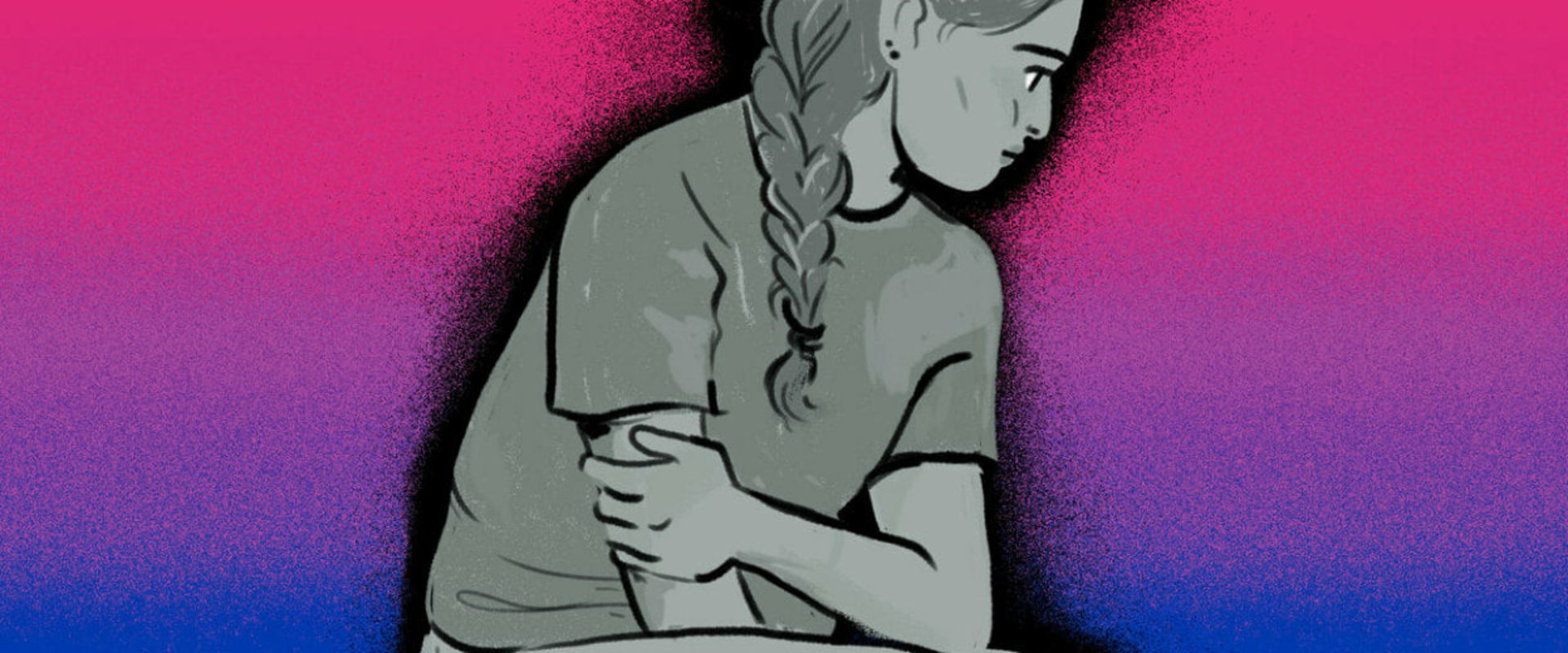
Bisexuality is a multifaceted sexual orientation that encompasses attraction to more than one gender. It is a vital aspect of the LGBTQ community, representing a diverse range of experiences and identities. Understanding bisexuality requires delving into its definition, significance, and the unique challenges faced by those who identify as bisexual. This section aims to provide a foundational understanding of bisexuality, setting the stage for a more in-depth exploration of its complexities. At its core, bisexuality is defined as the capacity for emotional, romantic, or sexual attraction to individuals of two or more genders. Bisexuality is a multifaceted sexual orientation that encompasses attraction to more than one gender. It is a vital aspect of the LGBTQ community, representing a diverse range of experiences and identities. Understanding bisexuality requires delving into its definition, significance, and the unique challenges faced by those who identify as bisexual. This section aims to provide a foundational understanding of bisexuality, setting the stage for a more in-depth exploration of its complexities. At its core, bisexuality is defined as the capacity for emotional, romantic, or sexual attraction to individuals of two or more genders.
This definition is crucial because it highlights that bisexuality is not limited to a binary understanding of gender; rather, it acknowledges the spectrum of gender identities that exist. Bisexual individuals may find themselves attracted to men, women, non-binary individuals, and others, making their experiences rich and varied. This diversity within bisexuality often leads to misconceptions and stereotypes that can obscure the true nature of this orientation. Within the LGBTQ community, bisexuality plays an essential role in fostering inclusivity and understanding. Bisexual individuals often navigate unique challenges, such as biphobia—the prejudice against bisexual people—and bi-erasure, where their identities are invalidated or overlooked.
These issues can create barriers to acceptance and support within both heterosexual and LGBTQ spaces. By recognizing and addressing these challenges, we can cultivate a more inclusive environment that honors the experiences of all members of the LGBTQ community. As we embark on this comprehensive guide to understanding bisexuality, it is important to approach the topic with an open mind and a willingness to learn. By exploring the nuances of bisexuality, we can better appreciate its significance within the broader LGBTQ landscape and work towards creating a supportive community for everyone.
Defining Bisexuality
To truly understand bisexuality, it is essential to define what this sexual orientation encompasses. At its core, bisexuality refers to the capacity for attraction to individuals of more than one gender.This definition, however, is layered with nuances that reflect the complexity of human sexuality.
Bisexuality Defined
Bisexuality is often defined as the attraction to both men and women, but this definition can be limiting. Many bisexual individuals may find themselves attracted to people outside the traditional binary of male and female, including non-binary, genderqueer, and genderfluid individuals. Thus, a more inclusive definition recognizes that bisexuality encompasses attraction to multiple genders rather than strictly two.
Nuances of Bisexuality
It is important to note that being bisexual does not imply equal attraction to all genders. A bisexual person may feel a stronger attraction to one gender over another or may experience varying levels of attraction depending on the context or individual.
This fluidity is a natural part of their sexual orientation and should be respected.
Furthermore, bisexuality can manifest in different ways throughout a person's life. Some may identify as bisexual for a period and later identify with another label, such as pansexual or queer, while others may remain consistently bisexual. This evolution in identity highlights the importance of understanding that sexual orientation can be a dynamic aspect of a person's life.
Distinguishing Bisexuality from Other Orientations
To clarify how bisexuality differs from other sexual orientations, it is helpful to compare it with terms like pansexuality and polysexuality. While pansexual individuals are attracted to people regardless of gender, emphasizing an attraction that transcends gender categories, polysexual individuals are attracted to multiple genders but not necessarily all.
In contrast, bisexuality specifically denotes attraction to two or more genders but does not imply an attraction to all. This distinction is crucial in fostering understanding within the LGBTQ community and beyond. Misconceptions about bisexuality often lead to stereotypes and stigma, which can marginalize those who identify as bisexual. By recognizing the unique aspects of bisexuality, we can create a more inclusive environment that respects and validates diverse sexual orientations. In summary, bisexuality is a multifaceted sexual orientation characterized by attraction to multiple genders. Understanding its definition and nuances not only enriches our comprehension of human sexuality but also strengthens our support for those within the LGBTQ community.
The Spectrum of Attraction
Understanding the spectrum of attraction is crucial for grasping the complexities of bisexuality.Unlike a binary view of sexual orientation, bisexuality encompasses a range of attractions that can vary significantly based on gender identity, personal experiences, and situational contexts. At its core, bisexuality refers to the capacity to be attracted to more than one gender. However, this attraction is not uniform; it can fluctuate in intensity and preference. For instance, a bisexual individual may find themselves more attracted to one gender over another at different times or in different circumstances. This variability is a natural part of human sexuality and reflects the diverse experiences within the LGBTQ community.
Levels of Attraction
When discussing the levels of attraction among bisexual individuals, it’s essential to recognize that these levels can be influenced by various factors:-
Contextual Factors: The environment or situation can play a significant role in attraction.
For example, someone may feel more drawn to a particular gender in social settings that encourage openness and connection.
- Personal Experiences: Past relationships and experiences can shape current attractions. A positive experience with one gender may enhance attraction towards that gender in future encounters.
- Gender Identity: The individual’s own gender identity can also affect their attraction levels. A bisexual person who identifies as male might find themselves more attracted to women in certain contexts, while a female-identifying bisexual person might feel a stronger pull towards men.
Bisexuality vs. Pansexuality
It’s important to differentiate between bisexuality and pansexuality, as these terms are often conflated but represent distinct orientations.While both involve attraction to multiple genders, the key difference lies in the scope of that attraction:
- Bisexuality: Typically refers to attraction to two or more genders, but does not necessarily imply equal attraction to all genders involved.
- Pansexuality: Encompasses attraction to individuals regardless of their gender identity, emphasizing an openness to all forms of gender expression.
Common Misconceptions About Bisexuality
Understanding bisexuality is crucial for fostering a more inclusive environment within the LGBTQ community. Unfortunately, several misconceptions persist about bisexuality that can lead to misunderstanding and discrimination.Addressing these myths is essential for promoting acceptance and support. One of the most prevalent misconceptions is that bisexuality is merely a phase or a transitional stage before someone identifies as gay or straight. This belief undermines the validity of bisexual identities and contributes to biphobia , which is the fear or hatred of bisexual individuals. Bisexuality is a legitimate sexual orientation, just like being gay or straight, and it deserves recognition and respect. Another common myth is that bisexual people are inherently promiscuous or unable to commit to one partner. This stereotype not only misrepresents bisexual individuals but also perpetuates harmful narratives that can lead to bi-erasure.
Bi-erasure occurs when bisexuality is ignored or dismissed, often leading to the assumption that individuals must choose one side of their identity. In reality, bisexual people can have deep, committed relationships with partners of any gender. Additionally, some people believe that bisexuality means being equally attracted to all genders. In truth, attraction can vary significantly among individuals. A bisexual person may feel a stronger attraction to one gender over another at different times in their life or in different contexts.
This fluidity is a natural aspect of human sexuality and should not be misconstrued as indecisiveness. Furthermore, there is a misconception that bisexual individuals are less likely to face discrimination than their gay or lesbian counterparts. In reality, many bisexual people experience unique challenges, including biphobia from both heterosexual and LGBTQ communities. This dual discrimination can lead to feelings of isolation and marginalization. To combat these misconceptions, it’s vital for allies within the LGBTQ community to educate themselves and others about bisexuality. By challenging stereotypes and advocating for visibility, we can help create a more supportive environment for everyone.
Understanding the complexities of bisexuality not only enriches our knowledge but also strengthens the bonds within the LGBTQ community.
Bisexuality in the Context of the LGBTQ Community
Within the vibrant tapestry of the LGBTQ community, bisexual individuals play a crucial role that is often overlooked. Their experiences and identities contribute significantly to the diversity and richness of the community, yet they frequently face unique challenges regarding visibility and representation.Understanding Bisexuality's Role
Bisexuality, defined as attraction to more than one gender, encompasses a wide range of experiences. This fluidity allows bisexual individuals to connect with various aspects of the LGBTQ community, fostering inclusivity and understanding. However, despite their integral presence, bisexual people often encounter biphobia—the prejudice against bisexual individuals—which can manifest in both heterosexual and LGBTQ spaces.
The Challenge of Visibility
One of the most pressing issues for bisexual individuals is visibility.
Many people mistakenly assume that bisexuality is merely a phase or that bisexual individuals are confused about their sexual orientation. This misconception can lead to bi-erasure, where bisexual identities are invalidated or ignored altogether. As a result, bisexual individuals may feel pressured to conform to binary labels—either gay or straight—thus diminishing their unique experiences.
Contributions to LGBTQ Representation
Despite these challenges, bisexual individuals have made significant contributions to the LGBTQ community. They have been at the forefront of advocacy efforts, pushing for greater representation and rights within both LGBTQ and mainstream contexts.
Notable figures such as Freddie Mercury, Kristen Stewart, and Lady Gaga have openly identified as bisexual, helping to raise awareness and acceptance.
The Importance of Representation
Representation matters immensely in fostering a sense of belonging within the LGBTQ community. When bisexual individuals see themselves reflected in media, politics, and culture, it validates their experiences and encourages others to embrace their identities. Increased visibility can also combat stereotypes and misconceptions surrounding bisexuality, paving the way for a more inclusive society.
Creating an Inclusive Environment
- Support Bi-Visibility Initiatives: Engage with campaigns that promote bisexual visibility during events like Pride Month.
- Educate Others: Share information about bisexuality to dispel myths and foster understanding.
- Be an Ally: Stand against biphobia in all its forms, whether in conversations or social settings.
Supporting Bisexual Individuals
Supporting bisexual individuals is crucial for fostering a more inclusive and understanding environment within the LGBTQ community.Bisexuality, often misunderstood, comes with its own set of challenges that can be alleviated through active allyship and support.
Understanding the Unique Challenges
Bisexual individuals frequently face specific issues, including:
- Biphobia: This refers to the prejudice or discrimination against bisexual individuals, which can manifest in various forms, from microaggressions to outright hostility.
- Bi-erasure: This occurs when bisexuality is invalidated or overlooked, often leading to feelings of isolation. Many people mistakenly assume that bisexual individuals are merely confused or going through a phase.
- Pressure to Choose: Bisexual individuals may feel pressured to identify as either straight or gay, which can lead to internal conflict and stress.
How to Be an Ally
Being an effective ally to bisexual individuals involves several key actions:
- Listen and Validate: Take the time to listen to their experiences without judgment. Validate their feelings and identity by acknowledging the challenges they face.
- Avoid Assumptions: Do not make assumptions about a bisexual person's preferences or relationships based on stereotypes. Each person's experience is unique.
-
Educate Yourself: Familiarize yourself with bisexuality and the issues that bisexual individuals encounter.
This knowledge will help you provide informed support.
- Stand Against Biphobia: Challenge biphobic comments or behaviors when you encounter them. Being vocal about your support can help create a safer space for bisexual individuals.
- Support Their Relationships: Recognize that bisexual individuals can have meaningful relationships with people of any gender. Support their choices without bias.
Create Inclusive Spaces
Encouraging inclusivity within your community is vital. This can be achieved by:
- Promoting events that celebrate all sexual orientations.
- Ensuring that resources and support systems are available for bisexual individuals.
- Encouraging open discussions about sexuality and identity in safe environments.
Navigating Relationships as a Bisexual Person
Navigating relationships as a bisexual person can be both rewarding and challenging.Understanding the unique dynamics that come into play is essential for fostering healthy connections with partners of any gender. Here, we will explore the intricacies of bisexual relationships, the potential challenges faced, and strategies for effective communication.
Understanding Bisexual Relationships
Bisexual individuals often find themselves in relationships with partners of different genders, which can enrich their experiences but also introduce complexities. The key to a successful bisexual relationship lies in mutual respect and understanding. Partners should recognize that bisexuality encompasses a spectrum of attractions and that each relationship is unique.Common Challenges in Bisexual Relationships
While every relationship has its hurdles, bisexual individuals may encounter specific challenges:-
Biphobia: This refers to the prejudice or discrimination against bisexual individuals.
Partners may face external judgment from society or even internalized biphobia, which can strain relationships.
- Jealousy and Insecurity: Partners may feel insecure about their bisexual partner's attractions to others. This can lead to jealousy, especially if one partner feels threatened by the possibility of their partner being attracted to someone of the same gender.
- Misunderstanding of Bisexuality: Some partners may not fully understand what it means to be bisexual, leading to misconceptions about loyalty or commitment. This lack of understanding can create friction in the relationship.
Tips for Healthy Communication
To navigate these challenges effectively, open and honest communication is crucial. Here are some tips for fostering healthy dialogue:-
Be Open About Your Identity: Share your experiences and feelings regarding your bisexuality with your partner.
This transparency helps build trust and understanding.
- Discuss Boundaries: Establish clear boundaries regarding attraction and relationships outside of your partnership. This can help alleviate feelings of jealousy and insecurity.
- Encourage Questions: Invite your partner to ask questions about your bisexuality. This openness can dispel myths and foster a deeper connection.
- Seek Support Together: Consider attending LGBTQ+ events or support groups together. Engaging with the community can strengthen your bond and provide valuable insights into navigating bisexual relationships.
By fostering open communication and mutual respect, partners can create a supportive environment that celebrates their diverse identities.
Resources for the Bisexual Community
For individuals identifying as bisexual, having access to supportive resources is crucial for fostering a sense of community and understanding. Below is a curated list of valuable resources that can assist bisexual individuals and their allies in navigating their experiences.Support Groups
- BiNet USA: This national organization focuses on the needs of bisexual individuals and offers a variety of resources, including local support groups, events, and advocacy initiatives.
- The Bisexual Resource Center: Based in Boston, this organization provides educational materials, support networks, and community outreach programs aimed at promoting awareness and acceptance of bisexuality.
- Local LGBTQ Centers: Many cities have LGBTQ community centers that offer specific support groups for bisexual individuals. These centers often provide safe spaces for discussion, socialization, and networking.
Online Communities
- Reddit - r/bisexual: This subreddit serves as a platform for bisexual individuals to share experiences, seek advice, and connect with others who understand their journey.
- Facebook Groups: Numerous private groups exist on Facebook where bisexual individuals can join discussions, share resources, and find support from peers.
- Discord Servers: There are various Discord communities dedicated to LGBTQ+ topics where bisexual individuals can engage in real-time conversations and build friendships.
Educational Resources
- The Bisexuality Report: This comprehensive report provides insights into the experiences of bisexual individuals in the UK and offers recommendations for improving their visibility and support.
- PFLAG: PFLAG offers educational materials specifically addressing bisexuality, including pamphlets and guides that can help allies better understand the challenges faced by bisexual individuals.
- LGBTQ+ Books: There are numerous books available that explore bisexuality from various perspectives. Titles such as "Bi: Notes for a Bisexual Revolution" by Shiri Eisner provide valuable insights into the bisexual experience.
Allies can also benefit from these resources to better understand how to support their bisexual friends and family members effectively.
Conclusion: Embracing Diversity in Sexual Orientation
In conclusion, understanding bisexuality is crucial for fostering a more inclusive and supportive environment within the LGBTQ community. Throughout this guide, we have explored the multifaceted nature of bisexuality, highlighting its distinct characteristics and the common misconceptions that often surround it. By recognizing that bisexuality encompasses attraction to more than one gender, we can appreciate the diversity of experiences that bisexual individuals may have. One of the key takeaways is that bisexuality is not a static identity; it can vary greatly from person to person. Some may find themselves equally attracted to multiple genders, while others may lean more towards one gender over another.This fluidity is an essential aspect of bisexuality that deserves recognition and respect. Moreover, we discussed the challenges faced by bisexual individuals, including biphobia and bi-erasure. These issues can lead to feelings of isolation and misunderstanding within both heterosexual and homosexual communities. It is vital for allies to acknowledge these challenges and actively work to combat them by promoting awareness and acceptance. Supporting someone who identifies as bisexual involves more than just acceptance; it requires a commitment to understanding their unique experiences and advocating for their rights. By being open-minded and willing to listen, we can help create a safe space where bisexual individuals feel valued and understood. Ultimately, embracing diversity in sexual orientation enriches the entire LGBTQ community.
Each identity contributes to the vibrant tapestry of human experience, and by celebrating our differences, we foster unity and strength. As we move forward, let us commit to being allies not only in words but also in actions, ensuring that every member of the LGBTQ community feels seen, heard, and respected.