LGBTQ rights are a major issue in the United States and around the world. In recent years, we have made great progress in recognizing and protecting the rights of LGBTQ individuals. However, there is still much work to be done. If you want to support LGBTQ rights, there are several ways you can do so. Allyship is a continuous practice that should be integrated into daily life, and genuine, beneficial support leads to positive change for the LGBTQ+ community.
Educate Yourself The first step in supporting LGBTQ rights is to educate yourself. Learn about the issues facing the The first step in supporting LGBTQ rights is to educate yourself. Learn about the issues facing the LGBTQ community and the history of the movement. Be aware of your own biases and recognize when your actions or words may be wrong or unintentionally harmful. Read books, watch documentaries, and follow news stories about LGBTQ rights. There are both print and online resources, including videos and dedicated pages from organizations like the Library of Congress, that provide valuable information about LGBTQ+ history and rights, as well as research guides and collections focused on legal issues. It is also important to learn the truth about the discrimination and injustice faced by LGBTQ+ people—honest accounts and real stories help raise awareness and promote equality. This will help you understand the issues better and be better equipped to support the cause.
Speak Out Once you have educated yourself on the issues, it is important to speak out. Speak up when you hear someone making homophobic or transphobic comments. Let people know that these comments are not acceptable. You can also write letters to your elected officials and urge them to support LGBTQ rights. Remember, performative allyship—when people only use words or social media posts to describe people as supportive without taking real action—does not create meaningful change. Once you have educated yourself on the issues, it is important to speak out. Speak up when you hear someone making homophobic or transphobic comments. Let people know that these comments are not acceptable. You can also write letters to your elected officials and urge them to support LGBTQ rights. Remember, performative allyship—when people only use words or social media posts to describe people as supportive without taking real action—does not create meaningful change.
Support Organizations There are many organizations that work to support LGBTQ rights and assist individuals through legal services and advocacy. Consider supporting:
The Trevor Project, which provides crisis services and advocacy for LGBTQ+ youth.
Lambda Legal, which offers resources regarding employment laws for LGBTQ and HIV positive people, including information on gender identity discrimination and what to do if fired.
The National Center for Transgender Equality, which provides a directory of legal services and organizations offering legal aid to transgender individuals.
The Human Rights Campaign, which provides resources on the importance of an inclusive workplace for LGBTQ individuals.
The U.S. Equal Employment Opportunity Commission (EEOC), which provides summaries of court decisions regarding sex discrimination under Title VII of the Civil Rights Act of 1964, interpreted to include gender identity and sexual orientation.
The ACLU, Lambda Legal, and GLAD, which lead strategic litigation against discriminatory laws.
GLSEN, which focuses on creating safe and inclusive schools for LGBTQ+ students.
PFLAG, which connects families, allies, and LGBTQ+ people for support and education.
GLAAD, which works to ensure fair and accurate representation in news and entertainment media.
The Movement Advancement Project (MAP), which provides scores and profiles for all US states regarding LGBTQ-related laws and policies.
The National Black Justice Coalition (NBJC), which produces research reports, toolkits, and surveys to assist Black LGBTQ/SGL people.
The Williams Institute at UCLA, a leading research center on sexual orientation and gender identity law and public policy.
The anthology 'Ways to Support the Lesbian, Gay, Bisexual, and Transgender Community,' which includes essays providing perspectives on LGBTQ issues.
Supporting organizations can also mean volunteering your time or donating resources to community centers and shelters. Donating supplies like gender-affirming clothing can significantly benefit homeless LGBTQ+ youth. Participating in local Pride celebrations and school board meetings helps build community power for LGBTQ+ rights. Supporting transgender rights includes advocating for inclusive bathroom access, healthcare, and HR policies. Advocating for policy includes pushing for nondiscrimination policies in housing, employment, and public services. Supporting Gay-Straight Alliances (GSAs) and LGBTQ+ history in curriculum improves school environments. Staying informed through resources like the 2026 Anti-Trans Bills Tracker is essential for effective advocacy.
Be an Ally Being an ally means standing up for LGBTQ individuals when they are not present. This could mean speaking out against homophobic or transphobic comments or policies, or simply being a friend and listening to someone who is struggling with their identity. Asking for and introducing yourself with your pronouns promotes a more inclusive environment, especially in school and job settings, and helps avoid misgendering. Treat LGBTQ+ colleagues with the same respect as straight and cisgender coworkers. Being an ally also includes supporting family, friends, and parents of LGBTQ+ individuals, and recognizing the importance of relationships and support networks. Respecting religion and differences in belief while promoting equality is also essential. Writing and sharing personal experiences can be a powerful way to support the LGBTQ+ community. Advocating in schools by encouraging boards to adopt inclusive policies and ensuring safe environments for students is also important. Being an ally is an important way to show your support for LGBTQ rights.
Celebrate Pride Month
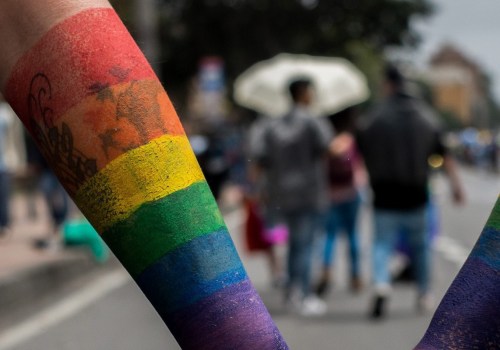
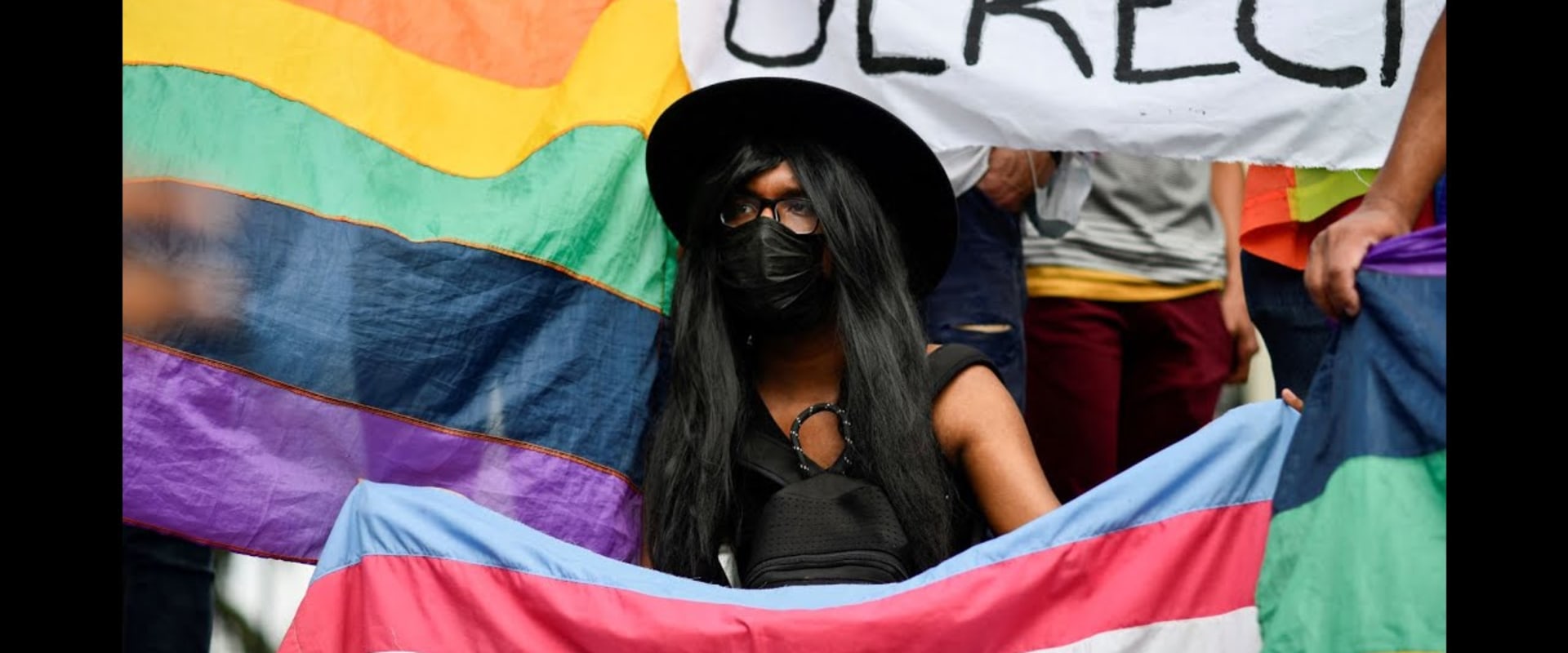
Pride events are a great way to show your support for LGBTQ rights. Attend pride parades and other events in your area and show your support for the community.
This is a great way to show solidarity with the LGBTQ community and celebrate their accomplishments. This is a great way to show solidarity with the LGBTQ community and celebrate their accomplishments.
Be Visible
Finally, it is important to be visible as an ally of the LGBTQ community. Wear pride pins or rainbow clothing, display rainbow flags, and use social media to spread awareness about LGBTQ rights. This will help create a more inclusive environment for everyone. Supporting LGBTQ rights is an essential part of creating a more equitable society for all.
By educating yourself, speaking out, supporting organizations, being an ally, celebrating pride, and being visible, you can make a real difference in the fight for equality.
Understanding Gender Identity
Understanding gender identity is a vital step in promoting equality and supporting the LGBTQ community. Gender identity refers to a person’s deeply held sense of their own gender—whether that is male, female, a blend of both, neither, or something else entirely. This internal identity may or may not align with the physical characteristics or the sex assigned at birth, and it is important to recognize and respect each person’s self-identified gender.
Within the LGBTQ community, gender identity is a key aspect of individual experience. The community includes lesbian, gay, bisexual, transgender, and queer people, each with their own unique stories and challenges. By learning about gender identity and sexual orientation, we can better understand the diversity within the LGBTQ community and work to promote equality for all members, regardless of their gender, sexuality, or national origin.
Symbols like the rainbow flag and events such as Pride Month serve as powerful reminders of the LGBTQ community’s history, resilience, and ongoing fight for equality. While showing support through these symbols is meaningful, it is equally important to engage in actions that foster understanding and create inclusive spaces. Education plays a crucial role—whether through reading, attending workshops, or accessing online resources, taking the time to learn about gender identity helps break down misconceptions and combat discrimination.
Supporting the LGBTQ community also means providing resources and safe spaces, especially for youth and those exploring their sexuality or gender identity. Encouraging open conversations and offering access to counselors or support groups can make a significant difference in someone’s sense of belonging and mental health. Research shows that LGBTQ individuals, particularly transgender and queer people, often face higher risks of anxiety, depression, and other mental health challenges due to discrimination and lack of support. By fostering a culture of acceptance and understanding, we can help everyone feel equally valued and supported.
Ultimately, understanding gender identity is about more than just terminology—it’s about recognizing the humanity and dignity of every person. By educating ourselves, encouraging respectful dialogue, and providing helpful resources, we can create a world where all members of the LGBTQ community feel seen, heard, and supported. This commitment to understanding and inclusion is essential for promoting equality and building a healthier, more compassionate community for everyone.
Mental Health Considerations
Mental health is a vital part of overall well-being, and it’s especially important to recognize the unique challenges faced by the LGBTQ community. Supporting LGBTQ rights means not only advocating for equality in law and society but also understanding how issues related to gender identity and sexual orientation can impact mental health. During Pride Month and throughout the year, it’s crucial to acknowledge the mental health needs of LGBTQ individuals and ensure they have access to supportive resources.
LGBTQ youth and adults often experience higher rates of anxiety, depression, and other mental health concerns compared to their straight and cisgender peers. This is frequently due to discrimination, bullying, and a lack of acceptance from family, friends, or school communities. The sense of isolation that can result from being misunderstood or marginalized makes it even more important to create environments where everyone feels safe, respected, and valued for who they are.
Promoting equality and understanding starts with education—learning the correct terminology, respecting each person’s gender identity, and being aware of the differences in people’s experiences. Displaying the rainbow flag, using inclusive language, and celebrating Pride Month are all ways to show support and help LGBTQ individuals feel seen and heard. Schools, workplaces, and families can make a significant difference by fostering a culture of acceptance and providing access to LGBTQ-friendly mental health resources.
National organizations such as The Trevor Project and the National Alliance on Mental Illness (NAMI) offer helpful resources, including counseling, support groups, and educational materials tailored to the needs of the LGBTQ community. These services can be life-changing for those who may not have local access to LGBTQ-affirming mental health care. Encouraging open conversations about mental health, providing supportive counselors, and connecting individuals with these resources can help reduce stigma and promote a sense of belonging.
Employers and educators also play a key role in supporting mental health by creating inclusive policies and offering training on LGBTQ issues. This helps ensure that no one faces discrimination based on gender, sexual orientation, or national origin, and that everyone has the opportunity to thrive in a supportive environment.
By educating ourselves and others, speaking out against discrimination, and promoting equality, we can help create a world where LGBTQ individuals feel supported, respected, and valued. Mental health is an essential part of this journey—when we prioritize understanding and inclusivity, we foster a healthier, more compassionate community for all. As we celebrate Pride and work to support the LGBTQ community, let’s remember that mental health matters, and together, we can make a real difference.