Understanding LGBTQ rights is essential for anyone looking to engage in meaningful advocacy. The term LGBTQ encompasses a diverse spectrum of identities, including lesbian, gay, bisexual, transgender, and queer individuals. Each of these groups has faced unique challenges and forms of discrimination throughout history, which have shaped the current landscape of rights and recognition. To effectively advocate for LGBTQ rights, one must first grasp the historical context that has led to the present-day struggles faced by the community. The history of discrimination against LGBTQ individuals is long and complex, marked by systemic oppression and social stigmatization.
From the criminalization of same-sex relationships to the pathologization of transgender identities, the journey toward equality has been fraught with obstacles. Landmark events such as the Stonewall Riots in 1969 served as a catalyst for the modern LGBTQ rights movement, highlighting the urgent need for societal change and legal protections. Understanding these historical milestones is crucial for recognizing how far we have come and how much further we still need to go. Today, despite significant progress in many areas, LGBTQ individuals continue to face numerous challenges. Discrimination in employment, housing, healthcare, and education remains prevalent.
Additionally, issues such as violence against transgender individuals—particularly trans women of color—underscore the urgent need for advocacy and reform. By familiarizing ourselves with these issues, we can better understand the importance of standing in solidarity with the LGBTQ community and advocating for their rights.
The Historical Context of LGBTQ Rights
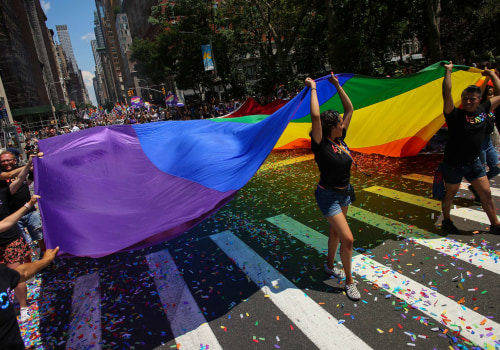
The journey toward LGBTQ rights has been marked by significant struggles, triumphs, and a relentless pursuit of equality. Understanding the historical context of these rights is crucial for advocates, as it highlights the resilience of the community and the ongoing challenges they face. One of the earliest recorded instances of LGBTQ activism can be traced back to the late 19th century, with figures like Karl-Maria Kertbeny advocating for homosexual rights in Europe. However, it wasn't until the mid-20th century that organized movements began to take shape.The 1950s saw the formation of groups such as the Mattachine Society and the Daughters of Bilitis in the United States, which aimed to provide support and advocacy for gay men and lesbians, respectively. A pivotal moment in LGBTQ history occurred on June 28, 1969, with the Stonewall Riots in New York City. This event is often regarded as the catalyst for the modern LGBTQ rights movement. Following a police raid on the Stonewall Inn, patrons fought back against harassment, sparking several days of protests. The riots galvanized activists and led to the formation of numerous advocacy organizations, including the Gay Liberation Front. Throughout the 1970s and 1980s, LGBTQ movements gained momentum, with significant milestones such as the first Pride marches held in major cities across the United States.
These events celebrated LGBTQ identities and demanded equal rights. However, this period was also marked by tragedy due to the AIDS crisis, which disproportionately affected gay men and highlighted systemic failures in healthcare and social support. The 1990s brought further advancements with the establishment of key legal protections. The repeal of discriminatory laws and policies, such as Don't Ask, Don't Tell in 2011 and the legalization of same-sex marriage in various states leading up to the landmark Supreme Court decision in Obergefell v. Hodges in 2015, marked significant victories for LGBTQ rights. Today, while progress has been made, challenges remain.
Issues such as discrimination in employment and housing, violence against transgender individuals, and ongoing legislative battles highlight that advocacy is still needed. Understanding this rich history not only honors those who fought for these rights but also empowers current advocates to continue pushing for equality.
Current Legal Landscape for LGBTQ Individuals
The legal landscape for LGBTQ individuals in the United States is complex and continually evolving. Understanding the current laws and protections is crucial for effective advocacy and support within the community. This section will explore the existing legal rights, recent developments, and ongoing challenges faced by LGBTQ individuals. Historically, LGBTQ individuals have faced significant legal discrimination, but recent years have seen substantial progress in securing rights and protections.The landmark Supreme Court case Obergefell v. Hodges in 2015 legalized same-sex marriage nationwide, marking a significant victory for LGBTQ rights. However, while marriage equality has been achieved, other areas of legal protection remain inconsistent across states.
Current Legal Protections
As of now, federal law prohibits discrimination based on sexual orientation and gender identity in several key areas:-
Employment: The Equality Act, which aims to expand protections against discrimination based on sexual orientation and gender identity in employment, housing, and public accommodations, is still pending in Congress. However, the Supreme Court's ruling in Bostock v.
Clayton County
(2020) established that Title VII of the Civil Rights Act protects employees from discrimination based on sexual orientation or gender identity. - Housing: The Fair Housing Act prohibits discrimination based on sex, which has been interpreted to include sexual orientation and gender identity. However, enforcement can vary by state.
- Healthcare: The Affordable Care Act prohibits discrimination based on sex in healthcare settings, which has implications for LGBTQ individuals seeking medical care.
State-Level Variations
Despite these federal protections, many states have not enacted comprehensive laws to protect LGBTQ individuals from discrimination. Some states have laws that explicitly protect against discrimination based on sexual orientation and gender identity, while others lack such protections entirely. This patchwork of laws can create significant challenges for LGBTQ individuals seeking justice and equality. Additionally, recent legislative efforts in various states have sought to roll back existing protections or introduce discriminatory measures against transgender individuals, particularly concerning access to healthcare and participation in sports.These developments highlight the ongoing need for vigilance and advocacy at both state and federal levels. In conclusion, while there have been significant advancements in legal protections for the LGBTQ community, challenges remain. Understanding the current legal landscape is essential for advocates who wish to support LGBTQ rights effectively. By staying informed about both federal and state laws, advocates can better navigate the complexities of the legal system and work towards a more equitable society for all. These developments highlight the ongoing need for vigilance and advocacy at both state and federal levels. In conclusion, while there have been significant advancements in legal protections for the LGBTQ community, challenges remain. Understanding the current legal landscape is essential for advocates who wish to support LGBTQ rights effectively. By staying informed about both federal and state laws, advocates can better navigate the complexities of the legal system and work towards a more equitable society for all.
Challenges Faced by the LGBTQ Community Today
The LGBTQ community continues to face a myriad of challenges that impact their daily lives and overall well-being. Understanding these challenges is crucial for allies and advocates who wish to support LGBTQ rights effectively.Discrimination in Employment
One of the most significant hurdles for LGBTQ individuals is employment discrimination.Despite some progress in legal protections, many still encounter bias during hiring processes or workplace environments. Studies have shown that LGBTQ individuals are often less likely to be hired or promoted compared to their heterosexual counterparts. This discrimination can lead to economic instability and a lack of job security, further marginalizing the community.
Housing Discrimination
Housing is another area where LGBTQ individuals frequently face discrimination. Many report being denied rental applications or facing harassment from landlords due to their sexual orientation or gender identity.This not only affects their ability to secure stable housing but also contributes to higher rates of homelessness within the community. The fear of discrimination can deter individuals from seeking help, leaving them vulnerable and isolated.
Healthcare Access
Access to healthcare is a critical issue for the LGBTQ community, particularly for transgender individuals who may require specific medical treatments. Many healthcare providers lack adequate training on LGBTQ health issues, leading to misdiagnoses or inadequate care. Additionally, some individuals may avoid seeking medical help altogether due to fear of discrimination or stigmatization in healthcare settings.Mental Health Issues
The challenges faced by LGBTQ individuals often lead to significant mental health issues.High rates of anxiety, depression, and suicidal ideation are prevalent within the community, largely due to societal stigma and discrimination. The stress of navigating a world that may not accept them can take a toll on mental well-being. It is essential for allies to recognize these struggles and advocate for mental health resources tailored specifically for LGBTQ individuals.
Conclusion
By acknowledging these challenges—ranging from employment and housing discrimination to healthcare access and mental health issues—we can foster greater empathy and understanding among allies. It is vital for everyone to stand in solidarity with the LGBTQ community, advocating for policies and practices that promote equality and inclusivity.Educating Yourself and Others About LGBTQ Issues
To effectively advocate for LGBTQ rights, it is crucial to educate yourself and others about the various issues that the community faces.This education not only enhances your understanding but also empowers you to engage in meaningful conversations and actions. Here are some strategies and resources to help you on this journey.
Recommended Resources for Learning
- Books: There are numerous books that provide insight into LGBTQ history, rights, and culture. Some notable titles include:
- "The Gay Revolution: The Story of the Struggle" by Lillian Faderman - A comprehensive history of the LGBTQ rights movement in America.
-
"Queer (In)Justice: The Criminalization of LGBT People in the United States" by Joey L. Mogul, Andrea J.
Ritchie, and Kay Whitlock - An exploration of how the legal system impacts LGBTQ individuals.
- "Gender Trouble" by Judith Butler - A foundational text in gender studies that challenges traditional notions of gender identity.
- Articles and Journals: Academic journals such as the Journal of LGBTQ Issues in Counseling and online platforms like The Advocate and Out Magazine offer current articles on LGBTQ topics, research findings, and personal stories.
- Documentaries and Films: Visual media can be a powerful tool for education. Documentaries like "Paris is Burning" and films such as "Moonlight" provide cultural context and highlight the experiences of LGBTQ individuals.
Workshops and Events
Participating in workshops and events focused on LGBTQ advocacy can significantly enhance your understanding. Many organizations offer training sessions that cover a range of topics, from basic LGBTQ terminology to advanced advocacy strategies. Here are some ways to get involved:- LGBTQ Community Centers: Many local centers host workshops that focus on advocacy skills, allyship training, and community organizing.
-
Online Courses: Platforms like Coursera or Udemy often feature courses on social justice topics, including LGBTQ rights.
These can be a flexible way to learn at your own pace.
- Conferences: Attending conferences such as the National LGBTQ Task Force's Creating Change Conference can provide networking opportunities and access to a wealth of knowledge from experts in the field.
Effective Advocacy: Speaking Out for LGBTQ Rights
Advocating for LGBTQ rights requires a proactive approach, especially when it comes to speaking outspeaking out against discrimination. Whether in personal interactions or public forums, your voice can be a powerful tool for change.Understanding the Importance of Speaking Out
When you witness discrimination or hear derogatory comments about the LGBTQ community, it is crucial to address these issues directly. Silence can be interpreted as complicity, so speaking out not only supports those affected but also sets a precedent for others to follow.
Here are some effective strategies:
- Confronting Discrimination: If you encounter discriminatory remarks in conversations, don’t hesitate to challenge them. Use facts and personal stories to illustrate why such comments are harmful.
- Engaging in Community Discussions: Participate in local forums or town hall meetings where LGBTQ issues are discussed. Your presence and input can help raise awareness and influence local policies.
- Writing Letters: Reach out to your elected officials through letters or emails. Express your support for LGBTQ rights and urge them to take action on relevant legislation.
Leveraging Social Media for Advocacy
In today’s digital age, social media platforms serve as powerful tools for advocacy.
Here’s how you can effectively use them:
- Share Information: Post articles, infographics, and videos that educate your followers about LGBTQ rights and issues. This helps spread awareness and fosters informed discussions.
- Create a Supportive Online Community: Use hashtags related to LGBTQ rights to connect with like-minded individuals. Engaging with others can amplify your message and create a sense of solidarity.
- Participate in Campaigns: Join online campaigns that promote LGBTQ rights. Whether it’s a hashtag movement or a virtual event, your participation can help draw attention to important causes.
Conclusion
Effective advocacy for LGBTQ rights involves not only speaking out against discrimination but also utilizing social media as a platform for change.
By actively engaging in conversations and sharing valuable resources, you contribute to a more inclusive society where everyone is respected and valued.
Supporting Local and National Organizations
Supporting both local and national organizations dedicated to advancing LGBTQ rights is crucial for fostering a more inclusive society. Each type of organization plays a unique role in advocacy, education, and support, and together they create a comprehensive network that addresses the diverse needs of the LGBTQ community.Local Organizations
Local organizations often have a direct impact on their communities. They provide essential services such as legal assistance, mental health support, and safe spaces for LGBTQ individuals. By supporting these organizations, you help ensure that resources are available to those who need them most.
Here are some ways to get involved:
- Volunteer: Many local organizations rely on volunteers to help with events, outreach programs, and administrative tasks. Your time can make a significant difference.
- Attend Events: Participate in local pride events, fundraisers, or awareness campaigns. These gatherings not only raise funds but also foster community solidarity.
- Spread the Word: Use your social media platforms to promote local organizations and their initiatives. Awareness can lead to increased support and participation.
National Organizations
National organizations play a vital role in advocating for policy changes and raising awareness on a larger scale.
They often have the resources to conduct research, lobby for legislative changes, and provide educational materials. Some prominent national organizations include:
- Human Rights Campaign (HRC): Focuses on advocating for LGBTQ equality through lobbying efforts and public education.
- GLAAD: Works to promote fair representation of LGBTQ individuals in media and combat misinformation.
- The Trevor Project: Provides crisis intervention and suicide prevention services for LGBTQ youth.
The Importance of Balance
While both local and national organizations are essential, supporting a balance of both can maximize your impact. Local groups address immediate community needs, while national organizations work towards systemic change. Together, they create a robust framework for advocacy that can lead to meaningful progress in the fight for LGBTQ rights. In conclusion, whether you choose to volunteer your time or donate your resources, supporting local and national LGBTQ organizations is a powerful way to advocate for change.
Every action counts in the ongoing struggle for equality.
The Role of Allies in Advocating for LGBTQ Rights
Being an ally to the Being an ally to the LGBTQ community is a vital role that extends beyond mere support; it involves active participation in the fight for equality and justice. An ally is someone who stands up for the rights of LGBTQ individuals, amplifying their voices and advocating for their needs. This commitment to allyship can significantly impact the lives of those within the community, fostering a more inclusive and accepting society. To effectively support your LGBTQ friends and family members, consider the following actionable steps:-
Listen and Learn: One of the most important aspects of being an ally is to listen to the experiences of LGBTQ individuals. Understand their struggles, challenges, and triumphs.
This not only helps you empathize but also equips you with knowledge to advocate effectively.
- Educate Yourself: Take the initiative to educate yourself about LGBTQ history, terminology, and current issues. Resources such as books, documentaries, and reputable websites can provide valuable insights. The more informed you are, the better you can support your friends.
-
Speak Up: Use your voice to challenge homophobic or transphobic remarks when you hear them. Whether in casual conversations or on social media platforms, standing up against discrimination is crucial.
Your voice can help create a culture of acceptance.
- Support LGBTQ Organizations: Contribute your time or resources to organizations that advocate for LGBTQ rights. This could involve volunteering, attending events, or making donations. Supporting these organizations helps amplify their efforts in creating change.
- Be Visible: Show your support publicly by participating in pride events or wearing symbols of solidarity, such as rainbow pins or clothing. Visibility matters; it sends a message that you stand with the LGBTQ community.
-
Create Safe Spaces: Ensure that your home and social circles are safe environments for LGBTQ individuals.
This includes using inclusive language and being respectful of pronouns and identities.
The Importance of Donations and Volunteering
Financial contributions and volunteer efforts play a crucial role in advancing LGBTQ rights and supporting the community. By donating to LGBTQ causes or volunteering with organizations dedicated to these efforts, individuals can make a tangible difference in the lives of many.This section explores the significance of these actions and how they contribute to the broader fight for equality.
Donating to LGBTQ Causes
Monetary donations are vital for sustaining organizations that advocate for LGBTQ rights. These funds are often used for:
- Advocacy and Legal Support: Many organizations provide legal assistance to individuals facing discrimination or legal challenges due to their sexual orientation or gender identity.
- Health Services: Donations help fund health initiatives, including mental health support, HIV/AIDS prevention, and other essential health services tailored for the LGBTQ community.
- Education and Awareness Programs: Financial contributions support educational campaigns that aim to raise awareness about LGBTQ issues, helping to combat stigma and misinformation.
- Community Building: Funds are often allocated to create safe spaces and community programs that foster inclusivity and support.
Volunteering with LGBTQ Organizations
In addition to financial support, volunteering time and skills can significantly impact local LGBTQ organizations. Here are some ways you can get involved:
- Event Coordination: Many organizations host events such as pride parades, fundraisers, and educational workshops. Volunteers are essential for planning, organizing, and executing these events successfully.
- Mental Health Support: If you have training in counseling or psychology, consider offering your services pro bono to help those in need within the community.
- Outreach Programs: Engage in outreach efforts that connect marginalized members of the LGBTQ community with resources and support systems.
-
Administrative Support: Nonprofits often require help with administrative tasks, from data entry to social media management.
Your skills can help streamline their operations.
Fundraising for LGBTQ Rights
Fundraising is another effective way to support LGBTQ rights. Consider organizing events such as:
- Charity Runs/Walks: Host a fun run or walk where participants raise money through sponsorships.
- Auction Events: Organize an auction where local businesses donate items or services, with proceeds going to an LGBTQ organization.
- Crowdfunding Campaigns: Utilize online platforms to create crowdfunding campaigns that raise awareness and funds for specific projects or needs within the community.
Conclusion: Your Role in Advocating for LGBTQ Rights
As we conclude this guide on advocating for LGBTQ rights, it is crucial to reflect on the significant role each individual can play in fostering a more inclusive and equitable society. The journey towards equality is ongoing, and every action, no matter how small, contributes to the larger movement. Throughout this article, we have explored various avenues for advocacy, emphasizing the importance of understanding the challenges faced by the LGBTQ community.From historical discrimination to contemporary issues such as employment and housing inequality, awareness is the first step toward meaningful change. By educating ourselves and others, we can dismantle stereotypes and foster empathy. Moreover, speaking out against injustice is a powerful tool in advocacy. Whether through social media platforms or community events, your voice can amplify the message of equality and acceptance. Engaging in conversations about LGBTQ rights not only raises awareness but also encourages others to join the cause. Supporting local organizations is another vital aspect of advocacy.
These groups often provide essential services and resources to those in need. By volunteering your time or donating funds, you can directly impact the lives of individuals within the LGBTQ community. Remember that grassroots efforts are often the backbone of social change. Being an ally means actively standing up against discrimination and promoting inclusivity in your daily life. This includes challenging homophobic or transphobic remarks when you hear them and creating safe spaces for LGBTQ individuals in your community.
Your actions can inspire others to do the same, creating a ripple effect of support. In summary, advocating for LGBTQ rights is not just a responsibility; it is an opportunity for everyone to contribute to a more just society. By understanding the issues, educating ourselves and others, speaking out, supporting local initiatives, and being proactive allies, we can all play a part in this vital movement. Let us commit to taking these steps together, ensuring that every individual—regardless of their sexual orientation or gender identity—can live freely and authentically.