Creating a safe space for the LGBTQ community is not merely a matter of physical safety; it encompasses emotional, psychological, and social dimensions that are crucial for fostering a sense of belonging. Safe spaces serve as sanctuaries where individuals can express their identities without fear of judgment or discrimination. These environments are essential for promoting mental well-being, as they allow members of the LGBTQ community to connect with others who share similar experiences and challenges. In a world where societal norms often marginalize or stigmatize diverse sexual orientations and gender identities, the importance of these safe havens cannot be overstated. Moreover, safe spaces play a pivotal role in educating both the LGBTQ community and the broader society about inclusivity and acceptance.
They provide opportunities for dialogue, understanding, and empathy, which are vital in breaking down stereotypes and misconceptions. By fostering an atmosphere of respect and support, these spaces encourage individuals to engage in meaningful conversations about their identities and experiences. This not only empowers those within the community but also educates allies and advocates who can help amplify their voices. In addition to emotional support, safe spaces often offer resources that address the unique challenges faced by the LGBTQ community. From mental health services to legal assistance, these resources are invaluable in helping individuals navigate issues such as discrimination, harassment, and mental health struggles.
By creating inclusive environments that prioritize safety and support, we can cultivate a culture of acceptance that extends beyond the walls of these spaces, ultimately contributing to a more equitable society for all.
Historical Context of the LGBTQ Movement
Understanding the historical context of the LGBTQ movement is essential for anyone looking to create a safe space for this community. The journey toward equality and acceptance has been long and fraught with challenges, marked by significant events that have shaped the current landscape of LGBTQ rights. The modern LGBTQ rights movement began in the mid-20th century, but its roots can be traced back to earlier struggles against discrimination and persecution. One of the pivotal moments in this history was the Stonewall Riots of 1969, which occurred at the Stonewall Inn in New York City. This event is often cited as the catalyst for the contemporary LGBTQ rights movement, as it galvanized activists to organize and demand equal rights. Following the Stonewall Riots, the 1970s saw the emergence of various advocacy groups, such as the Gay Liberation Front and later, the Human Rights Campaign.These organizations played a crucial role in raising awareness about LGBTQ issues and lobbying for legislative changes. The first Pride marches were held in 1970 to commemorate the anniversary of Stonewall, marking a significant step in visibility and community solidarity. The 1980s brought new challenges with the onset of the AIDS crisis, which disproportionately affected gay men. Activism during this period was characterized by urgent calls for medical research and treatment, leading to the formation of groups like ACT UP (AIDS Coalition to Unleash Power). Their efforts not only highlighted health disparities but also emphasized the need for broader social acceptance. As we moved into the 1990s and early 2000s, significant legal milestones began to emerge.
In 1996, the U. S. Supreme Court's decision in Bowers v. Hardwick upheld sodomy laws, but this was countered by later rulings that began to dismantle discriminatory practices.
The landmark case of Obergefell v. Hodges in 2015 ultimately legalized same-sex marriage nationwide, representing a monumental victory for LGBTQ rights advocates. Today, while progress has been made, challenges remain. Issues such as transgender rights, workplace discrimination, and healthcare access continue to be at the forefront of advocacy efforts. Understanding this historical timeline is crucial for experts aiming to support and advocate for the LGBTQ community effectively.
Current State of LGBTQ Rights in the United States
The landscape of LGBTQ rights in the United States has undergone significant changes over the past few decades, reflecting a broader societal shift towards acceptance and equality.However, the current state of these rights remains complex and varies widely across different states and localities. As of now, federal protections for LGBTQ individuals have been bolstered by landmark legislation and court rulings. One of the most notable developments was the Supreme Court's decision in Bostock v. Clayton County in 2020, which ruled that discrimination based on sexual orientation or gender identity is a violation of Title VII of the Civil Rights Act of 1964. This ruling has provided a crucial legal foundation for LGBTQ individuals seeking protection against workplace discrimination. Despite these advancements at the federal level, many states still lack comprehensive legal protections for LGBTQ individuals. For instance, while some states have enacted laws prohibiting discrimination in housing, employment, and public accommodations based on sexual orientation and gender identity, others have not.
This patchwork of protections can leave many vulnerable to discrimination and harassment. In recent years, there has been a surge in legislation targeting the LGBTQ community, particularly concerning transgender rights. Several states have introduced or passed laws that restrict access to gender-affirming healthcare for transgender minors or limit their participation in sports. These legislative efforts often stem from misinformation and societal stigma surrounding transgender identities. Moreover, the ongoing debate over conversion therapy practices highlights another area where legal protections are inconsistent. While many states have banned this harmful practice aimed at changing an individual's sexual orientation or gender identity, others still allow it to occur, often under the guise of religious freedom. To effectively support the LGBTQ community, experts must stay informed about these legal developments and advocate for comprehensive protections at both state and federal levels.
Engaging with local advocacy groups can provide valuable insights into specific challenges faced by LGBTQ individuals in different regions. In conclusion, while there have been significant strides in securing rights for the LGBTQ community in the United States, ongoing challenges remain. Understanding the current legal landscape is essential for experts aiming to create safe spaces and advocate effectively for LGBTQ rights. Engaging with local advocacy groups can provide valuable insights into specific challenges faced by LGBTQ individuals in different regions. In conclusion, while there have been significant strides in securing rights for the LGBTQ community in the United States, ongoing challenges remain. Understanding the current legal landscape is essential for experts aiming to create safe spaces and advocate effectively for LGBTQ rights.
Challenges Faced by the LGBTQ Community Today
The LGBTQ community faces a myriad of challenges that can significantly impact their quality of life and overall well-being. Understanding these challenges is crucial for anyone looking to create a supportive environment.Discrimination
remains one of the most pervasive issues affecting LGBTQ individuals. This discrimination can manifest in various forms, including:
-
Workplace Discrimination: Many LGBTQ individuals experience bias during hiring processes, promotions, or even day-to-day interactions with colleagues.
This can lead to a hostile work environment, job loss, or underemployment.
- Housing Discrimination: Finding safe and affordable housing can be particularly challenging for LGBTQ individuals, especially for those who are transgender or gender non-conforming. Landlords may refuse to rent to them based on their sexual orientation or gender identity.
- Healthcare Disparities: Access to healthcare is often complicated for LGBTQ individuals due to discrimination from healthcare providers or lack of understanding regarding specific health needs. This can lead to inadequate care and negative health outcomes.
-
Depression and Anxiety: The stress of navigating a world that may not accept them can lead to significant mental health challenges.
Feelings of isolation and fear of rejection contribute to these issues.
- Suicidal Ideation: Tragically, LGBTQ youth are more likely to contemplate or attempt suicide compared to their heterosexual peers. This highlights the urgent need for supportive interventions.
- Substance Abuse: Some individuals may turn to drugs or alcohol as a coping mechanism for the emotional pain stemming from discrimination and social stigma.
- Internalized Homophobia: Many LGBTQ individuals struggle with self-acceptance due to societal pressures, which can exacerbate mental health issues.
- Lack of Support Networks: Fear of rejection may prevent individuals from seeking support from family and friends, leading to further isolation.
Educating Yourself and Others About LGBTQ Issues
Education is a powerful tool in the quest for understanding and acceptance of the LGBTQ community.By equipping yourself and others with knowledge about LGBTQ issues, you can foster a more inclusive environment that respects and values diversity. Here are some effective strategies and resources to enhance your education on this vital topic.
Understanding LGBTQ Terminology
One of the first steps in educating yourself is to familiarize yourself with the terminology used within the LGBTQ community. Understanding terms such as gender identity , sexual orientation , cisgender , and non-binary can help you communicate more effectively and sensitively. Resources like the Human Rights Campaign provide comprehensive glossaries that can serve as a valuable reference.Utilizing Online Resources
The internet is filled with resources dedicated to educating individuals about LGBTQ issues.Websites such as GLAAD and LGBTQ History offer articles, videos, and educational materials that cover a wide range of topics, from historical milestones to current events affecting the community. Engaging with these resources can deepen your understanding and provide context for ongoing discussions.
Participating in Workshops and Training
Many organizations offer workshops and training sessions aimed at educating allies about LGBTQ issues. These programs often cover topics such as unconscious bias , inclusive language , and how to be an effective ally. Participating in these sessions not only enhances your knowledge but also connects you with others who share a commitment to fostering inclusivity.Engaging with the Community
One of the most impactful ways to educate yourself is by engaging directly with members of the LGBTQ community.Attend local events, such as pride parades, film screenings, or panel discussions, where you can listen to personal stories and experiences. This firsthand exposure can provide invaluable insights that statistics alone cannot convey.
Encouraging Open Dialogue
Once you have educated yourself, it’s essential to share that knowledge with others. Encourage open dialogue about LGBTQ issues in your workplace, schools, or community groups. Create safe spaces where individuals feel comfortable discussing their thoughts and experiences without fear of judgment.This not only promotes understanding but also helps dispel myths and stereotypes. In conclusion, educating yourself and others about LGBTQ issues is a crucial step toward creating a safe space for all individuals. By utilizing available resources, participating in training, engaging with the community, and fostering open dialogue, you can contribute significantly to a more inclusive society.
Advocating for LGBTQ Rights: Strategies and Best Practices
Advocating for LGBTQ rights is a crucial endeavor that requires a multifaceted approach. As experts, you have the ability to influence change and promote equality through various strategies. Here are some effective advocacy methods that can help you support LGBTQ legislation and raise awareness within your communities.1.Educate Yourself and Others
Understanding the complexities of LGBTQ issues is the foundation of effective advocacy.Start by:
- Researching Historical Context: Familiarize yourself with the history of the LGBTQ rights movement, including key milestones and influential figures.
- Staying Informed: Keep up with current events, legislation, and social issues affecting the LGBTQ community.
- Sharing Knowledge: Host workshops or discussions to educate others about LGBTQ rights and challenges.
2.Engage with Legislation
Your voice can make a significant impact on policy changes. To effectively engage with legislation:- Contact Your Representatives: Write letters or emails to your local, state, and federal representatives expressing your support for LGBTQ-friendly policies.
- Participate in Public Hearings: Attend town hall meetings or legislative sessions to voice your opinions on proposed laws.
- Support Advocacy Organizations: Collaborate with established organizations that focus on LGBTQ rights to amplify your efforts.
3.Build Community Awareness
A strong community can drive change. To foster awareness:- Create Safe Spaces: Organize events that promote inclusivity and provide a platform for LGBTQ voices.
- Utilize Social Media: Leverage platforms like Twitter, Instagram, and Facebook to share information and mobilize support for LGBTQ-related causes.
- Collaborate with Local Businesses: Partner with businesses to sponsor events or campaigns that support LGBTQ rights.
Creating Inclusive Environments: Practical Steps for Experts
Creating inclusive environments for the LGBTQ community requires intentional actions and a commitment to fostering acceptance.Here are some practical steps that experts can implement within their organizations or communities to promote safety and inclusivity:
- Conduct Training and Workshops: Organize regular training sessions focused on LGBTQ awareness and sensitivity. These workshops should cover topics such as gender identity, sexual orientation, and the unique challenges faced by LGBTQ individuals. By educating staff and community members, you can cultivate a more informed and empathetic environment.
- Implement Inclusive Policies: Review and revise organizational policies to ensure they explicitly protect against discrimination based on sexual orientation and gender identity. This includes creating clear anti-harassment policies and ensuring that all employees understand their rights and responsibilities.
-
Create Support Networks: Establish support groups or networks within your organization where LGBTQ individuals can share their experiences and seek guidance.
These groups can provide a safe space for discussion, fostering a sense of belonging and community.
- Encourage Open Dialogue: Promote an open-door policy where individuals feel comfortable discussing their concerns or experiences related to LGBTQ issues. Regularly solicit feedback from employees or community members about their experiences, and take actionable steps based on their input.
- Celebrate Diversity: Recognize and celebrate LGBTQ events such as Pride Month or Transgender Day of Remembrance. Hosting events or activities that honor these occasions can demonstrate your commitment to inclusivity and help raise awareness within the broader community.
- Provide Resources: Make available resources such as literature, hotlines, or contacts for local LGBTQ organizations. This information can be invaluable for individuals seeking support or guidance.
-
Lead by Example: As an expert, your actions set the tone for others.
Model inclusive behavior in your interactions, use appropriate language, and challenge discriminatory remarks when you hear them. Your leadership can inspire others to follow suit.
Providing Support: Resources and Organizations to Connect With
Creating a safe and supportive environment for the LGBTQ community requires not only personal commitment but also collaboration with established organizations that specialize in advocacy and support. Here are some key resources and organizations that can enhance your efforts in providing meaningful assistance to LGBTQ individuals.-
The Trevor Project : This organization is dedicated to crisis intervention and suicide prevention for LGBTQ youth.
They offer a 24/7 hotline, online chat, and text support services, making it accessible for young people in distress. Engaging with The Trevor Project can provide you with training and resources to better support LGBTQ youth in your community.
- GLAAD : As a prominent media advocacy organization, GLAAD works to promote fair representation of LGBTQ individuals in media. They provide resources for allies and advocates to educate themselves on LGBTQ issues, helping to foster a more inclusive narrative in society.
- Human Rights Campaign (HRC) : HRC is one of the largest civil rights organizations advocating for LGBTQ equality. They offer extensive resources, including educational materials, advocacy tools, and volunteer opportunities that allow you to actively participate in the fight for LGBTQ rights.
-
PFLAG : This organization focuses on supporting families of LGBTQ individuals.
PFLAG provides resources for parents, friends, and allies to understand and advocate for their loved ones. Connecting with PFLAG can help you create a more supportive network within your community.
- Lambda Legal : Lambda Legal is a legal organization that fights for the civil rights of LGBTQ individuals through litigation, education, and advocacy. They offer resources on legal rights and can be a valuable ally in understanding the legal landscape affecting the LGBTQ community.
Whether through volunteering your time, participating in events, or simply spreading awareness about their services, your involvement can make a profound difference in creating a safe space for the LGBTQ community.
Frequently Asked Questions About Creating Safe Spaces for the LGBTQ Community
Creating safe spaces for the LGBTQ community is a vital aspect of fostering inclusivity and understanding. However, many people have questions and misconceptions about what these spaces entail and how to effectively support LGBTQ individuals. Below are some frequently asked questions that can help clarify these important topics.What is a safe space for the LGBTQ community?
A safe space is an environment where individuals, particularly those from marginalized groups such as the LGBTQ community, can feel secure and accepted without fear of discrimination or harassment. These spaces promote open dialogue, respect, and understanding, allowing individuals to express their identities freely.Safe spaces can be physical locations, like community centers or support groups, or they can be virtual environments, such as online forums and social media groups.
How can I create a safe space in my workplace?
Creating a safe space in the workplace involves several key steps:- Education: Provide training on LGBTQ issues for all employees to foster understanding and empathy.
- Policy Development: Implement clear anti-discrimination policies that protect LGBTQ employees.
- Support Networks: Establish employee resource groups (ERGs) that focus on LGBTQ issues.
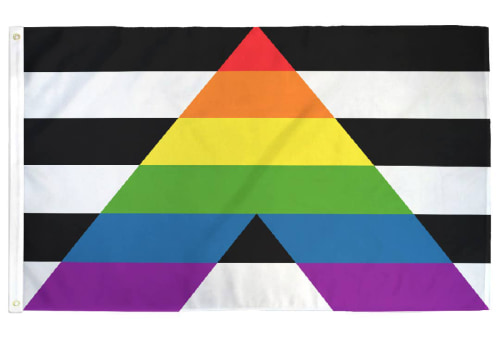
- Visibility: Show support through visible symbols, such as pride flags or inclusive signage.
What are some common misconceptions about supporting the LGBTQ community?
There are several misconceptions that can hinder effective support for the LGBTQ community:- LGBTQ issues are not relevant to everyone: Many believe that LGBTQ rights only concern those who identify as part of the community. In reality, these issues affect society as a whole and impact everyone’s rights to equality and dignity.
- All LGBTQ individuals have the same experiences: The LGBTQ community is diverse, encompassing various identities, backgrounds, and experiences. It’s essential to recognize this diversity when advocating for support.
- Support is only needed during Pride Month: Advocacy and support for the LGBTQ community should be ongoing throughout the year, not limited to specific events or months.
Conclusion: The Path Forward in Supporting the LGBTQ Community
As we reflect on the journey toward creating safe spaces for the LGBTQ community, it becomes clear that our efforts must be both persistent and multifaceted. The importance of ongoing education cannot be overstated.By continually educating ourselves about the evolving challenges and triumphs faced by LGBTQ individuals, we equip ourselves with the knowledge necessary to foster understanding and empathy. This education should extend beyond mere awareness; it should inspire action and advocacy. Advocacy plays a crucial role in dismantling systemic barriers that hinder the rights and well-being of LGBTQ individuals. It is essential to not only support existing legislation that protects LGBTQ rights but also to actively engage in grassroots movements that seek to create more inclusive policies. This can involve participating in local advocacy groups, attending town hall meetings, or even using social media platforms to amplify LGBTQ voices and issues. Moreover, providing support to the LGBTQ community is a vital component of creating safe spaces.
This support can take many forms, from offering emotional assistance to those grappling with their identity to helping individuals access resources such as mental health services, housing, or employment opportunities. Volunteering with organizations dedicated to LGBTQ advocacy can also make a significant impact, as these groups often rely on community support to function effectively. In conclusion, the path forward in supporting the LGBTQ community is paved with commitment and compassion. By prioritizing education, advocacy, and support, we can contribute to a society where everyone feels safe and valued. It is our collective responsibility to ensure that the progress made is not only recognized but also built upon.
Together, we can create an environment where diversity is celebrated, and every individual has the opportunity to thrive.