Pansexuality is a sexual orientation characterized by the potential for attraction to individuals regardless of their gender identity. This means that a pansexual person may find themselves attracted to men, women, non-binary individuals, and those who identify outside the traditional gender binary. The essence of pansexuality lies in the belief that gender does not dictate the capacity for love or attraction, allowing for a more fluid understanding of relationships and connections. To clarify, pansexuality is often confused with bisexuality, but there are key distinctions between the two. While bisexuality typically refers to attraction to two or more genders, it does not necessarily encompass all gender identities.
In contrast, pansexuality explicitly includes attraction to all genders, emphasizing an openness that transcends traditional gender categories. Additionally, it is important to differentiate pansexuality from polyamory, which is a relationship style that involves engaging in multiple romantic relationships simultaneously with the consent of all parties involved. Pansexuality is solely about sexual orientation and does not imply any specific relationship structure. Understanding pansexuality is crucial within the broader context of the LGBTQ community. As society becomes increasingly aware of diverse sexual orientations and identities, recognizing and validating pansexual individuals' experiences fosters inclusivity and acceptance. In contrast, pansexuality explicitly includes attraction to all genders, emphasizing an openness that transcends traditional gender categories. Additionally, it is important to differentiate pansexuality from polyamory, which is a relationship style that involves engaging in multiple romantic relationships simultaneously with the consent of all parties involved. Pansexuality is solely about sexual orientation and does not imply any specific relationship structure. Understanding pansexuality is crucial within the broader context of the LGBTQ community. As society becomes increasingly aware of diverse sexual orientations and identities, recognizing and validating pansexual individuals' experiences fosters inclusivity and acceptance.
By embracing this understanding, we can create a supportive environment where all members of the LGBTQ community feel seen and respected. This foundational knowledge not only enriches our comprehension of human sexuality but also empowers us to advocate for the rights and recognition of pansexual individuals in various social spheres.
The Importance of Inclusivity in the LGBTQ Community
Inclusivity within the LGBTQ community is not just a matter of principle; it is essential for fostering a supportive and thriving environment for all individuals. When we embrace inclusivity, we acknowledge the rich tapestry of identities that exist within the community, including those who identify as pansexual, non-binary, and gender non-conforming. This recognition is crucial for several reasons. First and foremost, inclusivity promotes a sense of belonging.When individuals feel accepted and valued for who they are, they are more likely to engage with the community and contribute positively. This sense of belonging can significantly impact mental health and overall well-being. Studies have shown that marginalized groups often experience higher rates of anxiety and depression; however, inclusive environments can mitigate these effects by providing support and understanding. Moreover, diversity within the LGBTQ community enhances creativity and innovation. Different perspectives lead to new ideas and solutions to common challenges faced by the community.
For instance, when pansexual individuals are included in discussions about policy changes or community events, their unique experiences can inform better practices that benefit everyone. This collaborative approach not only strengthens the community but also ensures that all voices are heard. Additionally, inclusivity fosters solidarity among various identities within the LGBTQ spectrum. When individuals from different backgrounds come together to support one another, it creates a powerful network of allies. This solidarity is vital in advocating for rights and protections against discrimination.
By standing together, the community can present a united front against societal challenges, making it more difficult for prejudice to thrive. Furthermore, an inclusive environment encourages education and awareness. When people are exposed to diverse identities and experiences, they become more informed allies. This education can help dismantle stereotypes and misconceptions that often lead to discrimination. For example, understanding pansexuality as a valid sexual orientation helps combat the stigma that pansexual individuals may face. In conclusion, the importance of inclusivity in the LGBTQ community cannot be overstated.
It strengthens community bonds, fosters a sense of belonging, enhances creativity, promotes solidarity, and encourages education. By actively working towards an inclusive environment, we not only uplift pansexual individuals but also enrich the entire community.
Creating Safe Spaces for Pansexual Individuals
Creating safe spaces for pansexual individuals is a vital step in fostering an inclusive environment within the broader LGBTQ community. These spaces not only provide a refuge for pansexual individuals but also promote understanding and acceptance among all community members. Here are some practical strategies to establish and enhance these safe spaces: Creating safe spaces for pansexual individuals is a vital step in fostering an inclusive environment within the broader LGBTQ community. These spaces not only provide a refuge for pansexual individuals but also promote understanding and acceptance among all community members. Here are some practical strategies to establish and enhance these safe spaces:-
Host Dedicated Events: Organizing events specifically for pansexual individuals can help create a sense of belonging.
These events can range from social gatherings, workshops, and discussion panels to art exhibitions that celebrate pansexuality. By providing a platform for pansexual voices, these events encourage dialogue and connection.
- Incorporate Pansexual Representation: It is crucial to ensure that pansexual individuals are represented in leadership roles within LGBTQ organizations. This representation can help amplify their voices and concerns, making it clear that their experiences are valued. Organizations should actively seek out pansexual leaders and include them in decision-making processes.
-
Create Inclusive Policies: Establishing policies that explicitly recognize and support pansexuality is essential.
This includes using inclusive language in all communications, ensuring that forms and surveys allow for diverse sexual orientations, and providing training for staff and volunteers on the unique challenges faced by pansexual individuals.
- Develop Support Groups: Forming support groups specifically for pansexual individuals can provide a safe space for sharing experiences, challenges, and triumphs. These groups can facilitate discussions on topics such as identity validation, relationship dynamics, and navigating societal misconceptions.
- Utilize Online Platforms: In addition to physical spaces, creating online forums or social media groups dedicated to pansexuality can help connect individuals who may not have access to local resources. These platforms can serve as a space for sharing information, resources, and personal stories.
Using Inclusive Language and Practices
Effective communication is a cornerstone of fostering an inclusive environment for pansexual individuals within the LGBTQ community.One of the most impactful ways to achieve this is through the use of inclusive language. By adopting language that respects and acknowledges diverse identities, we can create a more welcoming atmosphere for everyone.
Understanding Gender-Neutral Language
Gender-neutral language is essential when interacting with pansexual individuals. This type of language avoids specifying gender and instead focuses on inclusivity. For instance, using terms like "partner" instead of "boyfriend" or "girlfriend" allows for a broader understanding of relationships without making assumptions about gender.
Additionally, using pronouns such as "they/them" can help affirm non-binary identities and promote respect. Here are some practical tips for incorporating gender-neutral language:
- Use gender-neutral terms when referring to groups, such as "everyone" or "folks" instead of "ladies and gentlemen."
- Ask individuals their preferred pronouns and use them consistently.
- Avoid making assumptions about someone's sexual orientation or gender identity based on their appearance or behavior.
Avoiding Assumptions
Assumptions can lead to misunderstandings and feelings of exclusion. It is crucial to approach conversations with an open mind and a willingness to learn. When engaging with pansexual individuals, consider the following:
- Listen actively: Pay attention to how individuals describe their own identities and experiences. This can provide valuable insights into their perspectives.
-
Avoid stereotypes: Recognize that pansexuality is often misunderstood.
Avoid making generalizations about what it means to be pansexual or how someone should behave based on their identity.
- Encourage dialogue: Create opportunities for open discussions about identity and experiences. This not only fosters understanding but also builds trust within the community.
Addressing Discrimination Against Pansexual Individuals
Discrimination against pansexual individuals is a significant issue within both the broader society and the LGBTQ community. Understanding the unique challenges faced by pansexuals is crucial for fostering an inclusive environment.One of the most prevalent forms of discrimination is the invalidation of identity. Many pansexual individuals encounter skepticism regarding their sexual orientation, often being told that they are merely confused or going through a phase. This invalidation can lead to feelings of isolation and self-doubt, making it essential for allies to actively affirm and support pansexual identities. Another challenge faced by pansexual individuals is stigma stemming from misconceptions about their orientation. Some people mistakenly equate pansexuality with promiscuity or assume that pansexual individuals are incapable of forming serious relationships.
These stereotypes not only misrepresent pansexuality but also contribute to a culture of discrimination that can manifest in various ways, including social ostracism and exclusion from LGBTQ spaces. To combat these issues, it is vital to engage in education and awareness-raising. Allies can play a significant role by educating themselves and others about what it means to be pansexual. This includes understanding the nuances of attraction that pansexual individuals experience, which transcends traditional gender binaries. Hosting workshops, discussions, or informational sessions within LGBTQ organizations can help dispel myths and foster a more inclusive atmosphere. Additionally, creating safe spaces where pansexual individuals can express themselves without fear of judgment is essential.
This can be achieved by ensuring that events are explicitly welcoming to all sexual orientations and by actively promoting the inclusion of pansexual voices in leadership roles within LGBTQ organizations. Representation matters; when pansexual individuals see themselves reflected in community leadership, it validates their experiences and encourages others to embrace their identities. Finally, it is important for allies to challenge discriminatory behavior when they witness it. Whether it’s calling out microaggressions in conversation or advocating for policy changes within organizations, taking a stand against discrimination helps create a culture of respect and acceptance. By actively working to combat stigma and support pansexual individuals, we can contribute to a more inclusive LGBTQ community where everyone feels valued and understood.
Advocacy and Representation in Leadership Roles
Advocacy and representation are crucial components in fostering an inclusive environment for pansexual individuals within the LGBTQ community.When pansexual individuals hold leadership roles in LGBTQ organizations, they can effectively advocate for policies and initiatives that address the unique challenges faced by their community. This representation is not merely symbolic; it has tangible impacts on the development of support systems and resources tailored to the needs of pansexual individuals.
Understanding the Importance of Representation
Representation matters because it ensures that diverse voices are heard in decision-making processes. When pansexual individuals are included in leadership positions, they bring their lived experiences to the table, which can lead to more comprehensive and effective advocacy efforts. This representation helps to dismantle stereotypes and misconceptions about pansexuality, fostering a greater understanding within the broader LGBTQ community.
Advocacy for Pansexual Rights
Effective advocacy for pansexual rights requires leaders who are not only knowledgeable about the issues but also passionate about creating change.
Leaders who identify as pansexual can champion causes that directly impact their community, such as:
- Promoting inclusive policies that recognize and validate pansexual identities.
- Addressing discrimination and bias within LGBTQ spaces.
- Creating educational programs that inform others about pansexuality.
- Ensuring that pansexual individuals have access to mental health resources and support networks.
Building Support Systems
Leadership representation also plays a vital role in building support systems for pansexual individuals. When leaders actively engage with their communities, they can identify gaps in services and advocate for necessary changes. For instance, they might push for:
- The establishment of support groups specifically for pansexual individuals.
- Increased visibility of pansexuality in LGBTQ events and campaigns.
- Collaboration with other organizations to create intersectional support networks.
Staying Informed: Resources and Education on Pansexuality
Staying informed about pansexuality and the broader LGBTQ landscape is crucial for fostering an inclusive environment.Knowledge empowers allies and community members to advocate effectively for pansexual individuals and address the unique challenges they face. Here are some valuable resources and educational opportunities to consider:
Books on Pansexuality
- "The Pansexuality Workbook: A Guide to Understanding and Embracing Your Identity" by various authors - This workbook offers exercises and insights that help individuals explore their pansexual identity in a supportive manner.
- "Beyond Binary: A Guide to Gender Identity" by various authors - While focusing on gender identity, this book provides context that is essential for understanding pansexuality within the spectrum of gender diversity.
- "Queer: A Graphic History" by Meg-John Barker and Julia Scheele - This illustrated guide covers various aspects of queer identities, including pansexuality, making it accessible and engaging.
Online Resources
Numerous websites and online platforms offer valuable information about pansexuality:- GLAAD - This organization provides resources on LGBTQ issues, including articles and guides specifically addressing pansexuality.
- Human Rights Campaign (HRC) - HRC offers educational materials that cover a wide range of LGBTQ topics, including pansexuality.
- PFLAG - This organization supports LGBTQ individuals and their families, providing resources that can help educate allies about pansexuality.
Educational Events
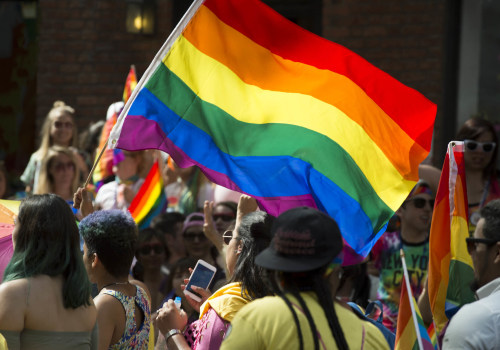
Attending events focused on LGBTQ issues can enhance understanding and foster community connections:- Pride Festivals: Many pride events include panels or workshops that discuss various sexual orientations, including pansexuality. Participating in these events can provide firsthand insights from speakers who identify as pansexual.
- LGBTQ Conferences: Conferences such as the LGBTQ+ Health Summit often feature sessions dedicated to sexual orientation diversity, offering a platform for learning from experts in the field.
- Webinars and Online Workshops: Organizations like GLAAD and HRC frequently host webinars that cover topics related to pansexuality. These virtual events allow for participation from anywhere, making them accessible to a wider audience.
Staying informed not only benefits personal growth but also contributes to a more inclusive society where all identities are recognized and respected.
Conclusion: Building a Supportive Community for All Identities
In conclusion, fostering a supportive and inclusive environment for pansexual individuals within the broader LGBTQ community is not just a matter of acceptance; it is a vital step towards ensuring that all identities are recognized and valued. Throughout this article, we have explored the significance of understanding pansexuality, the importance of using inclusive language, and the necessity of creating safe spaces for individuals to express their identities freely. To recap, it is essential to:- Understand Pansexuality: Recognizing that pansexuality encompasses attraction to individuals regardless of their gender identity is crucial. This understanding helps dismantle misconceptions and fosters a more inclusive dialogue within the community.
- Use Inclusive Language: Language shapes our perceptions. By adopting gender-neutral terms and avoiding assumptions about someone's identity, we create an environment where everyone feels seen and respected.
-
Create Safe Spaces: Establishing dedicated spaces for pansexual individuals allows them to connect with others who share similar experiences.
These spaces can be physical locations or virtual platforms where individuals can engage without fear of judgment or discrimination.
- Promote Representation: Ensuring that pansexual voices are included in leadership roles within LGBTQ organizations is vital. Representation matters, as it empowers individuals and provides role models for younger members of the community.
- Stay Informed: Continuous education about the challenges faced by pansexual individuals is necessary for effective allyship. Engaging with literature, attending workshops, and following relevant organizations can enhance our understanding and support.
By embracing diversity in all its forms, we not only uplift pansexual individuals but also strengthen the entire community. Together, we can create an environment where every identity is celebrated, ensuring that no one feels marginalized or invisible.